


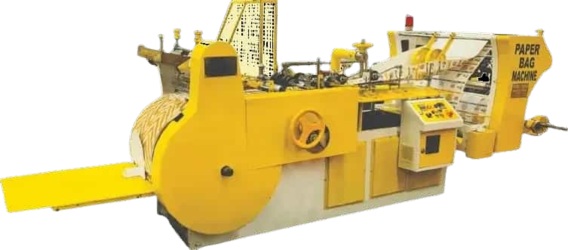


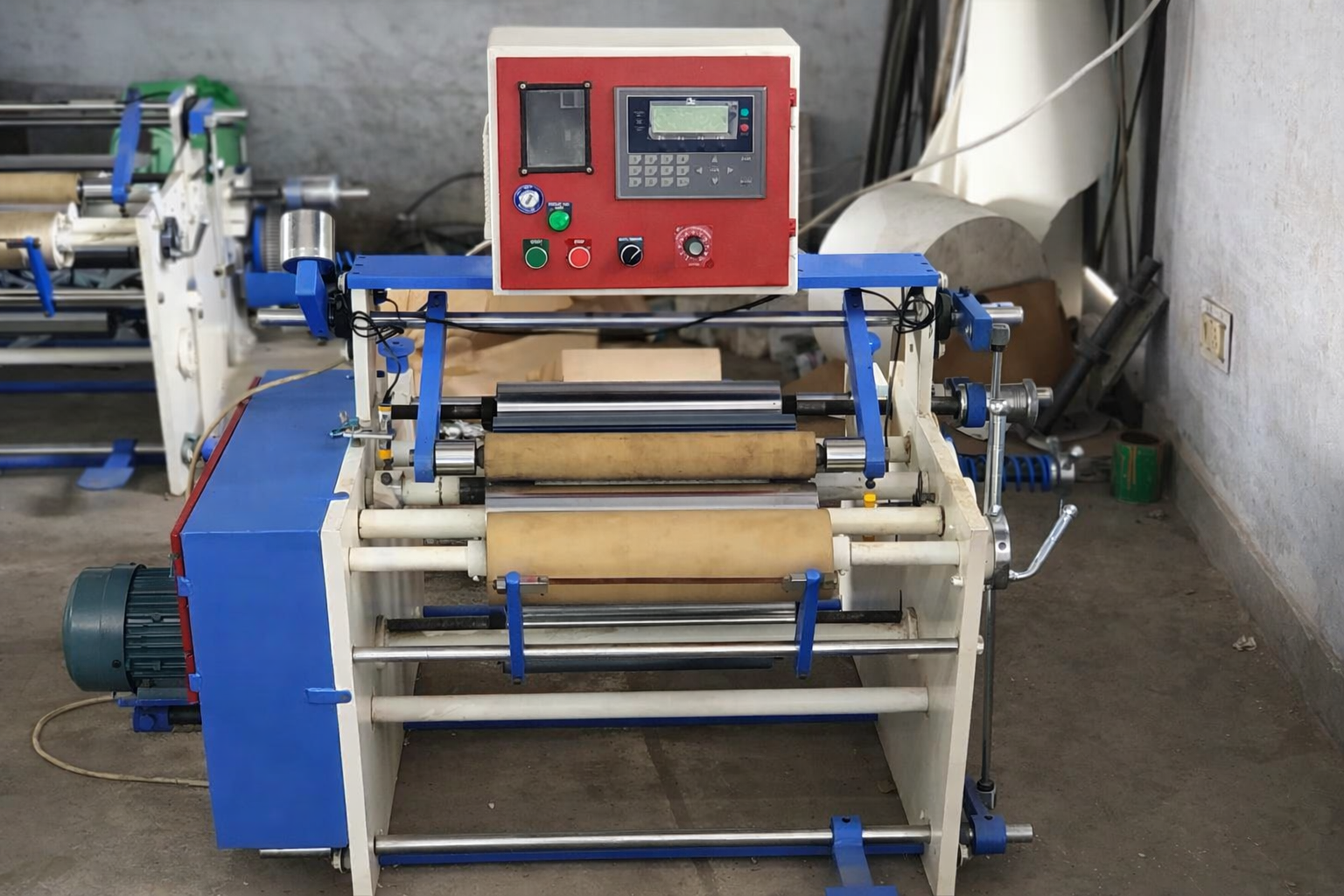
A rewinder machine is an essential piece of equipment used across multiple industries to wind materials such as paper, plastic film, aluminum foil, laminated sheets, and adhesive tapes into neat, compact, and precisely controlled rolls. This machine plays a crucial role in converting large parent rolls into smaller, manageable rolls that are ready for further processing, packaging, or direct end use.
In industries where accuracy, consistency, and productivity matter, a rewinder machine ensures smooth material handling while maintaining proper tension and roll quality. From packaging and printing to flexible packaging and labeling applications, rewinder machines are widely used to improve workflow efficiency and product presentation.
What Is a Rewinder Machine?
A rewinder machine is designed to rewind continuous material from a larger roll onto a smaller roll or a roll of a specific diameter and width. The primary function of the machine is to control tension, alignment, and winding speed so that the final roll is uniform, tight, and defect-free.
Depending on the application, rewinder machines can handle various materials such as paper, BOPP film, polyester film, PVC, aluminum foil, and pressure-sensitive tapes. These machines are commonly used as standalone units or integrated with slitting and cutting systems for enhanced productivity.
Types of Rewinder Machines
There are several types of rewinder machines, each designed to meet specific production requirements:
Surface Rewinder
In surface rewinding, the material roll is wound by contact with a driven drum. This type of rewinder is ideal for delicate or flexible materials where even pressure distribution is required. It is commonly used in the film and paper industries.
Center Rewinder
A center rewinder winds the material by directly driving the core or spindle. This type provides excellent control over roll hardness and tension, making it suitable for applications that require precise winding and consistent roll density.
Coreless Rewinder
Coreless rewinders produce rolls without using a paper or plastic core. These machines are widely used in tissue paper, labels, and certain packaging applications where coreless rolls offer cost savings and environmental benefits.
Each type of rewinder machine operates slightly differently, but all are designed to deliver smooth winding, reduced material waste, and high-quality output.
Construction and Working Principle
A rewinder machine typically consists of a strong mechanical frame, multiple rollers or drums, a drive system, and a winding shaft or spindle. The material is fed through the rollers, which guide it evenly while maintaining proper alignment and tension.
The drive system rotates the rollers or spindle at controlled speeds, ensuring uniform winding throughout the process. Advanced rewinder machines may include pneumatic or electronic tension control systems to maintain consistent material tension from start to finish.
Many modern rewinder machines are also equipped with slitting or cutting units. These systems allow the material to be slit into multiple narrower widths or cut into specific lengths during the rewinding process, eliminating the need for additional processing steps.
Operating a Rewinder Machine
Operating a Kitchen Foil Rewinding Machine is a straightforward process. The operator begins by loading the parent roll onto the machine’s unwinding section. After threading the material through the rollers, the operator sets the required parameters such as winding speed, roll diameter, material width, and tension level.
Once the machine is started, the material is smoothly wound onto the spindle or core according to the selected settings. The rollers and drive system work together to control tension and ensure accurate positioning of the material. When the desired roll size is achieved, the machine stops automatically or manually, allowing the operator to remove the finished roll.
The completed rolls are then ready for storage, transportation, or further processing, depending on the application.
Advantages of Using a Rewinder Machine
A rewinder machine offers several benefits that make it an indispensable part of modern manufacturing operations:
- Ensures uniform and high-quality roll winding
- Improves production efficiency and reduces manual labor
- Maintains consistent tension and alignment
- Minimizes material wastage and defects
- Supports a wide range of materials and applications
- Enhances overall workflow and operational control
With reliable performance and durable construction, rewinder machines contribute to long-term cost savings and improved product quality.
Applications of Rewinder Machines
Rewinder machines are widely used in industries such as:
- Packaging and flexible packaging
- Printing and lamination
- Paper and tissue manufacturing
- Label and adhesive tape production
- Film and foil processing
Their versatility makes them suitable for both small-scale operations and high-speed industrial production lines.
Conclusion
A rewinder machine is a vital solution for industries that require precise, efficient, and high-quality roll winding. With different types available to suit various materials and production needs, these machines help streamline operations while maintaining excellent output quality. Investing in the right rewinder machine ensures improved productivity, reduced waste, and consistent performance across manufacturing processes.